
Pigmentation Treatment

Target Visible Discoloration With Precision
Pigmentation concerns can develop from sun exposure, aging, inflammation, and other factors that affect melanin production. Personalized treatments target unwanted areas of discoloration to improve visible tone and help the complexion appear clearer, brighter, and more even.

Targeted Treatment for Uneven Pigmentation
Depending on the type of pigmentation present, treatment may use targeted energy or other professional methods to address excess pigment within the skin. The treated pigment gradually darkens, breaks apart, or fades as the skin naturally renews.
Successful pigmentation treatment begins by identifying the type and likely cause of discoloration. Your provider selects an appropriate approach based on your skin characteristics, pigment depth, treatment goals, and risk of post-treatment pigmentation changes.
- Step 1: Your provider evaluates the discoloration, skin type, history, and potential contributing factors.
- Step 2: An individualized treatment approach is selected based on the pigmentation being addressed.
- Step 3: Targeted treatment is carefully delivered to areas of unwanted discoloration.
- Step 4: Treated pigment gradually responds and is processed as the skin renews.
- Step 5: Follow-up treatments and preventive skincare are recommended when appropriate.

Am I a Good Candidate for Pigmentation Treatment?
Pigmentation treatment may benefit patients bothered by areas of unwanted discoloration or uneven tone. Because not all pigmentation behaves the same way, professional evaluation is important for selecting an appropriate treatment approach.
- Sun spots and visible sun damage
- Age-related discoloration
- Freckles or uneven pigmentation
- Certain post-inflammatory dark marks
- Uneven-looking skin tone
Benefits and Outcomes
Personalized pigmentation treatment can reduce distracting areas of discoloration and create a more balanced-looking complexion. Consistent sun protection and appropriate skincare are important for maintaining improvements and limiting future pigment concerns.
Targets areas of excess pigmentation to help dark spots and uneven patches become less noticeable as the treated skin responds and renews.
Reducing concentrated areas of discoloration can create a more uniform-looking complexion and improve the overall appearance of uneven skin tone.
Appropriate treatments can target visible pigmentation associated with accumulated sun exposure, helping improve the appearance of photodamaged skin over time.
As unwanted dark areas become less prominent, the complexion can appear clearer, brighter, and more refreshed without changing your natural skin tone.
Treatment selection is based on pigmentation type, skin characteristics, history, and goals to provide a more thoughtful and individualized approach.
Addressing uneven pigment can improve overall complexion clarity and help skin appear smoother, healthier, and more visually balanced from area to area.
Post-Treatment Care Tips
Depending on the treatment used, pigmented areas may temporarily darken, redden, or become sensitive before fading. Improvement develops as the treated skin heals and renews.
Apply broad-spectrum sunscreen consistently to help protect treated skin and limit recurrent pigmentation.
Use gentle skincare and any post-treatment products specifically recommended by your provider.
Allow darkened or flaking areas to resolve naturally without interfering with the healing process.
Avoid picking, scratching, or removing temporary crusting or flaking from treated skin.
Avoid unnecessary sun exposure and tanning during the treatment and recovery period.
Avoid irritating active skincare products until your provider advises they can be resumed.
Any Questions?
Depending on the treatment available, concerns may include sun spots, freckles, age-related discoloration, and certain other forms of uneven pigmentation.
The number varies according to pigment type, depth, treatment method, skin response, and desired outcome. Some concerns require a series of sessions.
Usually not. Treated pigment may initially appear darker before gradually fading or shedding as the skin completes its natural renewal process.
Yes. Sun exposure, hormones, inflammation, and other factors can contribute to new or recurring pigmentation, making ongoing sun protection especially important.
No. Different pigment conditions can respond differently to treatment, and some require special caution. Professional evaluation helps determine the appropriate approach.
Daily sun protection, appropriate skincare, and recommended maintenance treatments can help preserve a more even-looking complexion and reduce additional sun-related pigmentation.
What Our Patients Say

Wonderful staff, very friendly and clean office! Love these ladies!!

Wonderful clinic with caring staff and a calming atmosphere—highly recommend!
When I first came to Vitality Health I had lost a bit of weight on my own and plateaued. I really needed some extra direction and support. I sure have received it! With their help and guidance I have broken through that plateau and continue to lose. I am so grateful that I took that fist step and made the appointment I feel so much better and healthier!
Vitality is my go to for so all things medical aesthetics! Alana, the owner, is so hands on with the business and has grown it into such an incredible space with so many offerings! One of my absolute favorite services is any facial with Emily! She is so passionate about her clients skin care needs and her services are so relaxing. I always walk out feeling so refreshed. Alana, Emily, and the whole team at Vitality are truly the best in the area!!!
Vitality health on Avon is amazing!
I see the professionals at Vitality for the weight loss/management services along with B12 injections. Prior to going vitality I felt helpless, ant times, and in a rut but they have given me the tools and support to be the best person I can. Despite a setback or two along, the way the appointments help me stay the course & get back on track to meet my goals!
In addition to being very helpful they are all kind & friendly every time I see them. If I could give 10
Stars I would! Please go see them for all of your needs, you won’t regret it.
Vitality Health is a great company. Alana, Sara and the rest of the staff is fantastic. I took advantage of the Free Men's Fitness analysis during the month of July. My wife had kidded me saying "nothing is free". However, I must admit that I was a bit skeptical, but went anyhow. In the end, Alana provided me with a ton of information, identified a "red flag" in my bloodwork that would have gone unnoticed and may have become a problem in time, and made me feel welcome and comfortable. Here's the Kicker: There was no High Pressure Sales tactic. At no time did Alana pressure to purchase an ancillary program or product. It was purely informational, and it was clear she only had MY best interests in mind. For this reason, I recommend Vitality to anyone in need of Physician Guided Weightloss, Testosterone Therapy, Laser Hair Removal, Botox, Fillers, etc.
Vitality Health in Avon is absolutely outstanding. The staff is friendly, knowledgeable, and genuinely committed to helping you feel your best. They took the time to understand my needs and created a personalized plan that made a noticeable difference in my overall health and energy levels.
The clinic is clean, modern, and welcoming, and every visit feels smooth and professional. I really appreciate how clearly they explain each treatment and their focus on long-term wellness. If you're in Avon and looking for a top-rated wellness center that truly cares about your results, I highly recommend Vitality Health.
Vitality Health has helped me completely transform my self esteem over the last two years. The staff there is so helpful and kind. They genuinely listen to your needs and concerns. Katie has been a fantastic resource in the weight management program. She has helped me lose almost 70 lbs since March of 2024 - something I did not think was possible. Krystina has been so patient with me when it comes to being nervous about aesthetic procedures! And the results are always fantastic. Emily gives the most relaxing facials, and she is so knowledgeable when it comes to skincare. The routine she put me on cleared my skin when nothing else would. Thanks to them and everyone in this office, I finally have my confidence back and I feel better than ever. 10000/10 recommend! Thanks, Vitality!
Visited because my hair dresser raved about this place. I was apprehensive but the entire staff was so friendly, joyful and professional I felt comfortable. Great experience!
Very very easy to work with. Very pleasant
Very professional. The staff are so kind. They spend time answering your questions and explaining all your options.
Very professional. Never in a hurry. Takes time to explain products and issues I was having with my medication
.
Very professional, friendly and accommodating office. Krystina was wonderful!
Very professional & so nice, explained everything in language you can understand.
Very nice employees !
Very much enjoyed my diamond glow!
Very knowledgeable, listening to your needs & wants and coming up with a plan to reach your goals. My personal results are remarkable. I give them a 5 out of 5 across the board!!!!
Very knowledgeable and friendly staff. Have been going for months with GREAT results! One visit at a time..
Katie encourages and helps you while working towards your goals. Makes you feel like you have a friend. 100% recommend!!!
Very knowledgeable and friendly staff. Clean office with state of the art equipment. I highly recommend to anyone looking to improve their overall health and wellness!
Very happy with my experience at Vitality, Nurse Practitioner Katie has been very helpful and supportive in helping me reach my health goals.
Today was a great day at Vitality Health. I was seen by Seth who thoroughly explained the benefits of my treatment and the process to success in my treatment of health and wellness. Also I would like to thank Alana Khrystina Lauren and the entire team for their continued outstanding customer service and support that they extended to me. I would recommend Vitality Health to anyone who is seeking professional guidance and advice for their health and wellness needs.
Timely attention, great product, great service.
This was my first time ever getting a diamond glow facial and WOW!!! Let’s just say I will be back. Nurse Mara took care of me and she went above and beyond to make sure I was comfortable and explained the whole diamond glow and dermaplaining process to me. My skin hasn’t felt this good in so long ! I literally have the definition of glass skin thanks to her and I will forever be grateful for this experience !
This was my first facial and so rejuvenating. Emily did an AMAZING job. I already booked my next appointment.
They were amazing! Alana is fantastic! I can't wait for another procedure just to be part of Vitality Health! They rock!
These guys are awesome to work with and they seem to really care about all of their patients. The staff is knowledgable and they are always willing to help. I'd recommend Vitality Health to anyone. The great thing is that you can always go in and meet with them for free to see if their services are right for you. I know they offer services for weight loss, botox, testosterone therapy, and other health services. If you're in the Westlake, OH area and need some of their services at least check them out, you won't regret it.
The Vitality Health Team has been absolutely AMAZING! They’re always willing to work with me and my ridiculous schedule changes and last minute circumstances! Always willing to assist with any concerns I may have, and I’m so very grateful to have a team as supportive as they have been during my weight loss journey! Thank you❤️!
The team is wonderful and supportive. They truly want to their patients to be successful and provide them all the tools they need to achieve their weight loss goals. I’ve been with them for 3 months and very pleased with my progress!!
The team at Vitality Health were great. Their review of my current health and prompt blood work review made me rest easy. Unlike a lot of medical weight loss type businesses they are not going to try and sell you what you don't need. They can be trusted to help give you sound medical advice that you can't always get from your general practice doc. Highly recommended!
The staff is great there. Very welcoming and helpful. I went for botox and filler. Alana was so helpful in telling me my options and whst to expect. She was gentle with the procedure and I'm already liking the results. I will definitely go back again. Great job team! Thanks.
The staff at Vitality Health are always very friendly and welcoming. They are all professional, knowledgeable and helpful. I have been a client at Vitality Health just under a year but highly recommend there services. I have recommended 3 people there as well and they have been pleased!
Staff is extremely knowledgeable about products and services. I have been seen for weight management by Seth and Krystina for Botox. Highly recommend both! :)
The staff at Vitality Health are always very friendly and welcoming. They are all professional, knowledgeable and helpful. I have been a client at Vitality Health for a few years and highly recommend there services.
The care and services provided by the team at Vitality Health always exceed my expectations.
The beginning of May was not only the beginning of spring but also a beginning for my face , which became more luminous and healthy appearing. Mara is an excellent professional who truly made my face glow like a diamond . Her gentle touch on your face , her way of putting everyone at ease , the vitality health place , all made that day special to me . I highly recommend Mara to everyone who wants a healthy and nice touch that make the face and the whole person glow . Mara- she also truly shines !!
Thank you for the amazing experience! The facial I got from Mara was 10/10! Not only did she do a great job but she informed me how important it is for men and not just women. I will definitely be back and hopefully I can bring a few of my boys because they have no idea what they are missing!
Such a beautiful facility and Alana always makes me feel welcomed. The front desk staff is really nice too!
Staff was so nice on the phone and in person! I was so nervous for my first treatment but Krystina took the time to explain everything to me and I LOVE my results! Can’t wait to go back for my birthday!
So kind and helpful. Very knowledgeable
Seth was great! he was so easy to talk to and didn't treat me like to old lady I am...lol. I wish he had a family practice, I would definitely go to him.
Seth is OUTSTANDING!! He's helped me lose over 50 lbs! His understanding, non-judgemental , helpful approach is just the best-- his encouragement and desire to help his clients succeed is unmatched. Vitality Health (and Seth!) have totally changed my life for the better-- everyone there feels like a friend. I'm so grateful!!
Seth is great. I’m very disappointed that 5/1 compounded semaglutide will end. My options are few. Having this drug has been a godsend, life changing. Not sure what I’m going to do.
Seth Flask was the best care I’ve received from anyone in a long time. Just took the time to actually listen, ask questions and want to help. The girl who did the intake was fantastic and personable. Just a fantastic experience overall.
Seth does a great job.
Professional and knowledgeable staff
Pleasant experience, very knowledgeable, careful, and precise with treatments. Very pliable when cost is concerned.
My skin has never looked better thanks to Emily. After 19 years of cancer treatments that have battered my face with redness, breakouts and lines, she has devised a personal plan to bring back youthful, glowing skin. A true professional that enjoys her work immensely.
My first time at Vitality Health and I couldn’t have more positive things to say! I started off with a Diamond Glow from Nurse Mara and my skin has never looked better. Within 24hrs most of my skin was clear and the hydration/shine was out of this world. She revamped my skin and i’m so thankful. I also received a syringe of filler from Mara as well and she really took her time and make sure I liked everything as she went along. I recommend anyone starting or continuing their aesthetic journey to go see Nurse Mara!
My favorite med spa I have experienced! The staff is so friendly and the facility so clean. I had my first facial ever with Emily—she was so professional and provided such a relaxing experience for this busy mom! Krystina for Dysport is also amazing. Definitely recommend Vitality!!
Meeting with Seth at Vitality Health was sensational!
Seth was friendly, easy to talk to and extremely competent.
I knew that Seth's focus was entirely on my specific concerns and I left Vitality Health feeling completely satisfied that I'd made the right decision in going.
Mara was truly amazing. It was the first time I have ever been there to get lip filler I ended up getting RHA 2. She was so helpful and talked me through every step of the way. I love the way my lips look now especially for my wedding in a couple months. I am definitely going back to her.
Mara was so helpful and taught me so much during my consultation! I thought I already had a pretty decent understanding of skincare but she gave such helpful tips and educated me on the things you don’t typically think about. She gave me several options on products to incorporate, while keeping in mind that I did not want a high maintenance or overcomplicated routine. She even knew what deals different retailers had currently. 10/10 experience I highly recommend booking with her! I did end up buying one of the products from the spa, but only because I was genuinely interested in it. She wasn’t pushy and didn’t try to oversell me on things I didn’t need. She was thoughtful, thorough and very knowledgeable.
Mara was incredibly helpful in guiding me through my skincare journey. She recommended specific products and treatments that would be beneficial for my skin type. She answered any questions I had. I’m eagerly looking forward to returning for treatments.
Mara was amazing! So kind and makes you feel so welcomed and comfortable. Will definitely be coming back and recommending this place
Mara truly is amazing, so knowledgeable and gives great education on skin health and how to help. I’ve been struggling with poor skin for a while and since seeing her my acne and redness has improved. Really love the peaceful treatment rooms and environment- look forward to dermablading and the diamond glo monthly!
Mara is the sweetest! She goes above and beyond to make sure I have all the information I need about my skincare routine and products. My consultation was incredibly informative, and I’m already seeing such a beautiful transformation in my skin! Highly recommend booking with her.
Mara is great! I got the diamond glow facial and she explained each product she used thoroughly. Very relaxing too! I’m excited to see the results in the days to come.
Mara is absolutely incredible!! She is the sweetest, most knowledgeable aesthetic nurse and knew exactly what I needed to achieve my skin goals. My skin has never looked so good!
Mara has been wonderful to work with. She makes sure to provide all the information needed prior to, and post treatment. She is attentive and really cares for her clients. Highly recommend!!!!
Mara gave me such an incredible experience. Got the diamond glow treatment which had my skin glowing for days! She is so kind and explains everything step by step, which I absolutely love. I will definitely be coming back!
Mara does a fantastic job!! She is very thorough and she truly enjoys her job.
Mara did an amazing job on my lips and I am so happy with the results! She was so sweet, made me feel comfortable, and really took her time to make sure everything looked balanced and natural. I’m obsessed with how they turned out and would definitely recommend her!
Mara did a fantastic job with Diamond Glow. My skin was glowing for days!! Great experience overall. I can’t wait for my next Glow in May!! 🤩
LOVED my facial with Emily. She was educated on my skin care needs and provided a welcoming & relaxing experience!
Loved my diamond glow treatment! My face is literally glowing thanks to Mara. She did a great job at educating me about what’s best for my skin & walked me through every step of the process. It’s clear Mara works in the best interest of her clients & is a natural at what she does. I couldn’t recommend her & Vitality enough! 🥰
Love the staff. My treatment are great.
Love the girls here. I always leave feeling so pleased with my Botox and filler.
Love everything about them
Looking forward to my post procedure glow after skinvive with Mara!
Looked into b12 shots here because I was disgusted by how much my GP was billing my insurance and what it was costing me for my portion to get my shots. Vitality Health was SO much better! My first appointment fee and the shot cost the same as what my portion of the cost was at the doctors office and now every shot after that will be less than half of my out of pocket. I was also able to get a higher dosage and felt AMAZING the rest of the day after my shot. Will happily go back because of value AND the team there was so friendly and knowledgeable. Great office, great value and great vibe.
LITERALLY the best girls! Service is amazing!! I absolutely trust Krystina so much! I’ve never left not happy! 6 year customer!
Krystina was great and very informative
Krystina is the best I’ve had for Botox/lip flips. She’s more skilled than the two plastic surgeons I used in the past.
Krystina is so thorough and wonderful!! She is has a great eye and understanding of what you want! She is wonderful! The whole staff is friendly !
Krystina is so professional and kind. She makes a patient feel so comfortable. She is the only person I trust with my face, she is just exceptional at what she does.
That being said, the whole office is top notch. Clean beautiful and professional.
Krystina is excellent! She is honest and will not recommend procedures that won’t get you the result you want. She often recommends a less expensive procedure than the one you are interested in if the results will be better. She takes her time with injections and will split an injection into 2 appointments if she feels the results will be improved vs the chance of over filling. Highly recommend!
Krystina is a phenomenal provider! She listens, educates, and does great work! You won’t be disappointed!
Kristina was personable & knowledgeable.
Explained the procedures in great detail.
Katie is the best!! Extremely knowledgeable and thorough, would highly recommend her.
Ive been coming here for years! Highly recommend!
If you haven't started getting Vitamin B-12 Lipo shots, then you are missing the boat. I have been getting these injections for a year now and have had noticeable changes in my energy levels. The staff at Vitality are extremely welcoming and knowledgeable in their field of obesity medicine. I highly recommend getting a FREE consultation from them and seeing what positive changes you can make to your day-to-day routine!
If you do the work you will lose weight!!!
If you are looking for a trusted location for weight loss treatments or cosmetic procedures, I highly recommend this clinic. They genuinely care about helping clients look and feel their best, and it absolutely shows in the quality of their work and customer service.
I’ve had the best experiences at Vitality Health! The employees are all super kind and knowledgeable. Highly recommend 10/10
I’ve been going to Vitality Health for over 10 years and absolutely love it! Alana and her team are the best — super friendly, knowledgeable and always take great care of you. Highly recommend!
I’ve been going to Vitality Health for 11 years. The staff is always smiling and courteous. The providers are knowledgeable and they really do care about you and show it. 100% recommend to anyone seeking anything from weight loss to aesthetics. Vitality Health is hands down the best around!
I’ve been going to Vitality for my lashes and brows for a few months now. Always impressed with the results and the staff is super friendly.
I’ve been going to Vitality for many years now. Everyone is so helpful and knowledgeable. I can trust them and feel very comfortable coming here.
I’ve been going to Mara for a few years now and she has helped transform my skin to be more youthful and healthy in just a few months since we started microneedling, diamond glow, and I started using the at home products she recommended!
She’s super knowledgeable about all the skincare trends, what’s worth it and what’s not, how to get the result you’re going for, and where to invest to make a difference. She always answers all my questions and you can tell she’s really passionate about skincare and truly cares.
She’s just all around amazing and I’d highly recommend to anyone looking to improve their skin!
I’ve been going for years, absolutely love them. Professional, experienced, and they always answer all of my questions.
I've been coming here for the past couple of months for my microneedling and have to say I am incredibly happy with the results. The ladies here are very easy to talk to and are very helpful with answering my millions of questions. I would recommend them to any friends and family.
I’ve been a customer for years and no regrets I love it here ❤️
I’ve been a client for years and every experience is wonderful! Everyone, including the front desk staff, the assistants, and the nurses are friendly and caring. I always leave happy!
I’m so glad I found Vitality Heath. The team there really spends time answering your questions. I feel very supported in my weight loss journey.
I’m seeing huge improvement with the consistency of my skin care routine. Thank you Mara.
I wouldn't be able to accomplish the goals I set for myself without the feedback and support from Krystina. I look forward to sharing all of my accomplishments and set backs with her because I know she'll help me work through them. Her encouragement coupled with the amazing amount of information available to me is worth its weight in gold. I'd recommend any one on a journey to change their life style make an appointment with Krystina and follow through on you! You won't regret it!
I went for Botox. This place was exceptional. The staff was so friendly, clean environment . I would recommend this place to anyone😀
I was very impressed by the service I received. I would highly recommend going and seeing Mara her knowledge and professionalism certainly is something I look for and she most certainly exceeded my expectations. I will definitely be back. I would also like to note all the staff is wonderful and makes the awkwardness of walking into a new place very welcoming. Thanks again
I was very happy with my eyelash and brow tint and also with the lamination. She did an awesome job!!
I was so nervous going in for my appointment because I seen some horror stories on tiktok of morpheus8. My experience was phenomenonal! They numbed me up really well and I had minimal discomfort. I'd rate the discomfort 1/10. Everything is clean and professional. They made sure comfort was #1. I'm really happy I did this for myself so far. This was just treatment 1/3 and today is the day of treatment, but I will include photos. The redness is mostly from the topical numbing gel, which is normal. I have very sensitive skin. There is a before (without redness) and an after (redness). I did have ezgel done as well. So far 10/10. Thanks so much!
I was referred by a friend about three years ago, and it was a great referral! I see Vitality Health for Botox and fillers, primarily. I have found them highly knowledgeable and have received great service. They have been responsive to any follow up questions I may have had. The staff is friendly and it is a spa-like atmosphere, which always makes it a pleasant experience all-around. Most importantly, I have been very happy with the improvement in my skin since becoming a client of theirs.

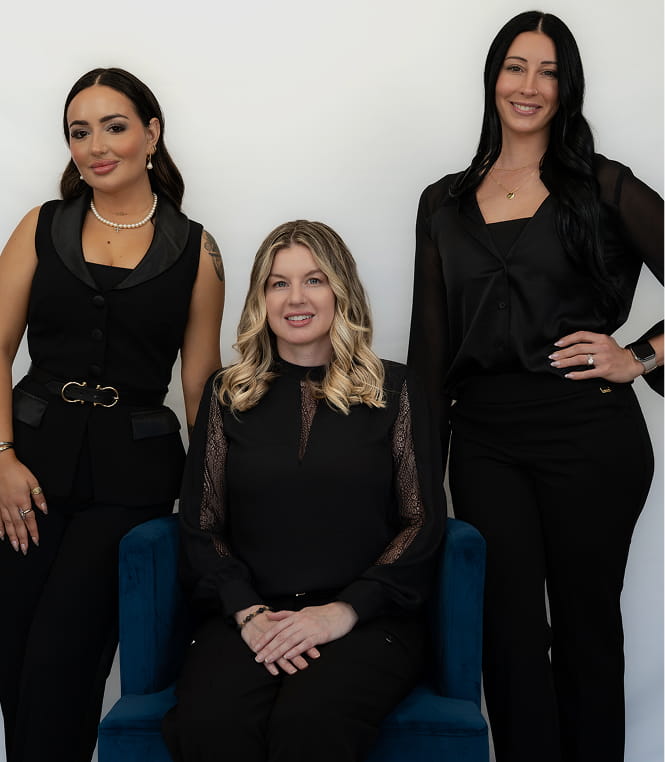
A Higher Standard for Health & Wellness
Vitality Health combines experienced clinical care, evidence-informed treatments, and a personalized approach to help patients pursue their health, wellness, and aesthetic goals with confidence.
Every experience is guided by thoughtful recommendations, high standards, and a commitment to quality care.
Invest in Your Health & Happiness
Take the next step toward your health, wellness, and aesthetic goals. Schedule your consultation with Vitality Health and discover a personalized approach designed around you.